
Chained Beasts Afflictions: Wounds, Potions, and Survival Tips
Learn how Chained Beasts afflictions affect arena survival, including wounds, potions, mental injuries, and practical run-planning tips.
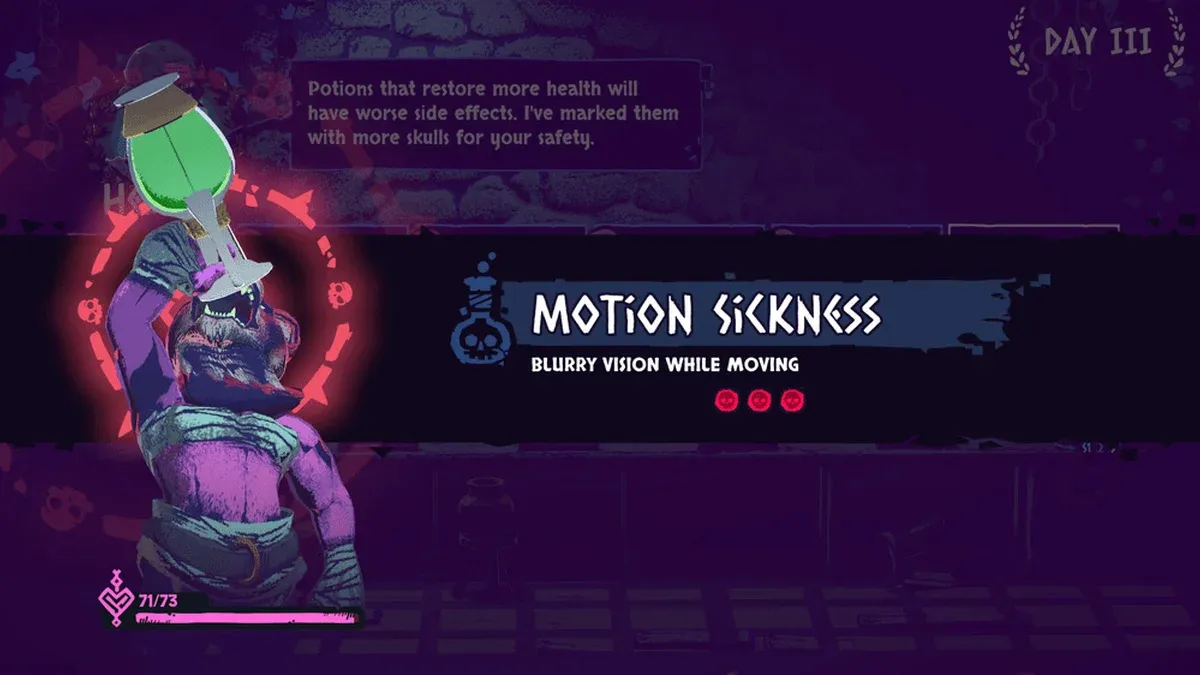
Image source: Featherweight Games

Gladiators full of afflictions my crew try out Chained Beasts — Featuring Marvin Lackey
What Are Chained Beasts Afflictions?
Chained Beasts afflictions are physical and mental injuries that make each arena day more difficult. They matter because surviving a run is not only about defeating enemies—it is also about managing the damage your gladiator carries forward. The game’s developer says the full release includes more than 70 afflictions, making injury management an important part of its combat and roguelike progression.
Chained Beasts is a 1–4-player gladiator roguelike in which players fight alone or while chained to their teammates. Battles can involve weapons, environmental hazards, and brutal bosses, while injuries add another layer of unpredictability to every run.
How Afflictions Affect Your Gladiator
The official game description presents afflictions as “ghastly wounds” that can interfere with how your character survives and fights. Confirmed examples include:
- A painful limp
- Losing the use of a left eye
- Hallucinations that cause your gladiator to react to threats only they can see
These examples indicate that afflictions can affect movement, perception, or combat reliability. However, the supplied official information does not provide a complete list of all effects or explain the exact penalties attached to every injury.
The game’s injury system is designed to create difficult decisions. A wound may not end a run immediately, but it can make later battles more dangerous—especially when combined with difficult enemies, arena hazards, or poor coordination between chained players.
Potions and the Risk of Worse Afflictions
Potions can relieve pain, but they are not described as a risk-free cure. The official store listing warns that their side effects may leave players with worse afflictions. That creates a trade-off:
- Keep fighting: You avoid the potential downside of treatment but must manage the current injury.
- Use a potion: You may reduce your immediate suffering, but the side effect could introduce a more serious problem.
- Consider surgery: The developer mentions surgery as another possible answer, although the available sources do not confirm how it works, where it is performed, or what it costs.
Because the precise treatment rules are not documented in the supplied material, players should avoid assuming that every potion or surgery option works the same way. Treat these systems as run-management choices rather than guaranteed cures.
Practical Tips for Managing Chained Beasts Afflictions
Coordinate before committing to a fight
Chained players can become tangled around arena objects when they fail to coordinate. An existing injury can make that situation even more costly, so communicate before charging into hazards, chasing an enemy, or using the chain to reposition a teammate.
Use the arena to shorten dangerous battles
The game allows players to exploit environmental objects and hazards, including urns, walls of spikes, and pits of snakes. Using the arena creatively may help end encounters faster, reducing the time your team spends exposed to additional damage.
Treat mental injuries as a serious warning
Hallucinations are specifically mentioned as an affliction. If a character is reacting to threats that only they can see, the team should be especially careful about positioning and target selection. Keep the affected player involved in communication, but do not assume their perception is reliable.
Plan around the current injury
A limp, impaired vision, or another affliction may change which approach is safest. Consider whether your next battle favors direct melee combat, environmental attacks, or a more coordinated team strategy. The available sources do not confirm exact stat penalties, so base decisions on the visible behavior of the injury in your current run.
Save resources for difficult moments
The campaign includes nine battles across three acts and ten difficulty levels, according to the developer’s launch information on the official Chained Beasts Steam Community page. Since later encounters can be more demanding, avoid treating every potion as an automatic solution. Preserve useful resources when your current affliction is manageable.
Why Afflictions Make Combat More Interesting
Afflictions give Chained Beasts more than a standard health-and-damage loop. A successful run is shaped by the condition of the gladiators, the decisions made between battles, and the way teammates adapt to setbacks.
That design also fits the game’s cooperative combat. Players must synchronize their movement while chained together, use the environment against enemies, and respond when one character is limping, visually impaired, or experiencing hallucinations. The result is a combat system where mistakes can produce both serious tactical problems and chaotic multiplayer moments.
The developer’s official description of Chained Beasts and its gladiatorial combat systems confirms that injuries, potions, skills, equipment, and character progression all contribute to surviving the arena. The exact affliction catalog is not fully published in the supplied sources, but more than 70 afflictions are confirmed for the full release.
Chained Beasts Afflictions FAQ
How many afflictions are in Chained Beasts?
The developer’s launch information states that the full game has more than 70 afflictions. The supplied sources do not provide a complete named list.
What are some confirmed examples of Chained Beasts afflictions?
Confirmed examples include a painful limp, a missing left eye, and hallucinations. These examples come from the official game description.
Can potions remove afflictions?
Potions can relieve pain, but the available information does not confirm that they remove every affliction. It also warns that potion side effects may cause worse afflictions.
Is surgery confirmed to cure injuries?
Surgery is mentioned as a possible answer to the game’s injuries, but the supplied sources do not explain its exact function. Details such as availability, cost, and which afflictions it treats remain unconfirmed.
Continue exploring
Related Articles
combat
Chained Beasts Bosses: What We Know and How to Prepare
Learn what is confirmed about Chained Beasts bosses, arena chapters, combat systems, and preparation strategies for solo and co-op runs.
combat
Chained Beasts Difficulty: Levels, Combat Tips, and What to Expect
Learn how Chained Beasts difficulty works, what is confirmed about its ten levels, and how to survive its brutal arena combat.
combat
Chained Beasts Weapons: How to Fight Smarter in the Arena
Learn how weapons, chains, arena hazards, and teamwork shape combat in Chained Beasts, based on official game information.
Was this helpful?
Thanks for the feedback!